Dr. Ankkur Kumar
A sports injury does not have to end your active lifestyle. Get the right treatment fast and get back to doing what you love.
A sports injury can happen in a split second — but the uncertainty that follows often lasts much longer. The sooner you get a clear answer, the sooner you get back to your sport.
You felt a sudden pop, twist or impact during exercise or sport.
There is swelling, pain or instability in your knee, shoulder or ankle.
You are worried that resting is not enough and the injury might be serious.
You want to get back to your sport or active lifestyle as fast as possible without making the injury worse.
Getting the right diagnosis early makes all the difference between a fast recovery and a long one.
Sports injuries happen when the body is pushed beyond its limits during physical activity. They can occur suddenly from a fall, collision or awkward movement — or gradually through repetitive overuse.
The most common sports injuries involve the knees, shoulders, ankles and hips. Ligaments, cartilage, tendons and bones are all vulnerable to sports-related damage.
The biggest mistake most people make after a sports injury is waiting too long before seeing a specialist. Injuries that are treated early often recover fully. Those that are ignored can lead to chronic pain and long-term damage.
Early specialist assessment gives you a clear picture of what has happened and the fastest path back to full fitness.
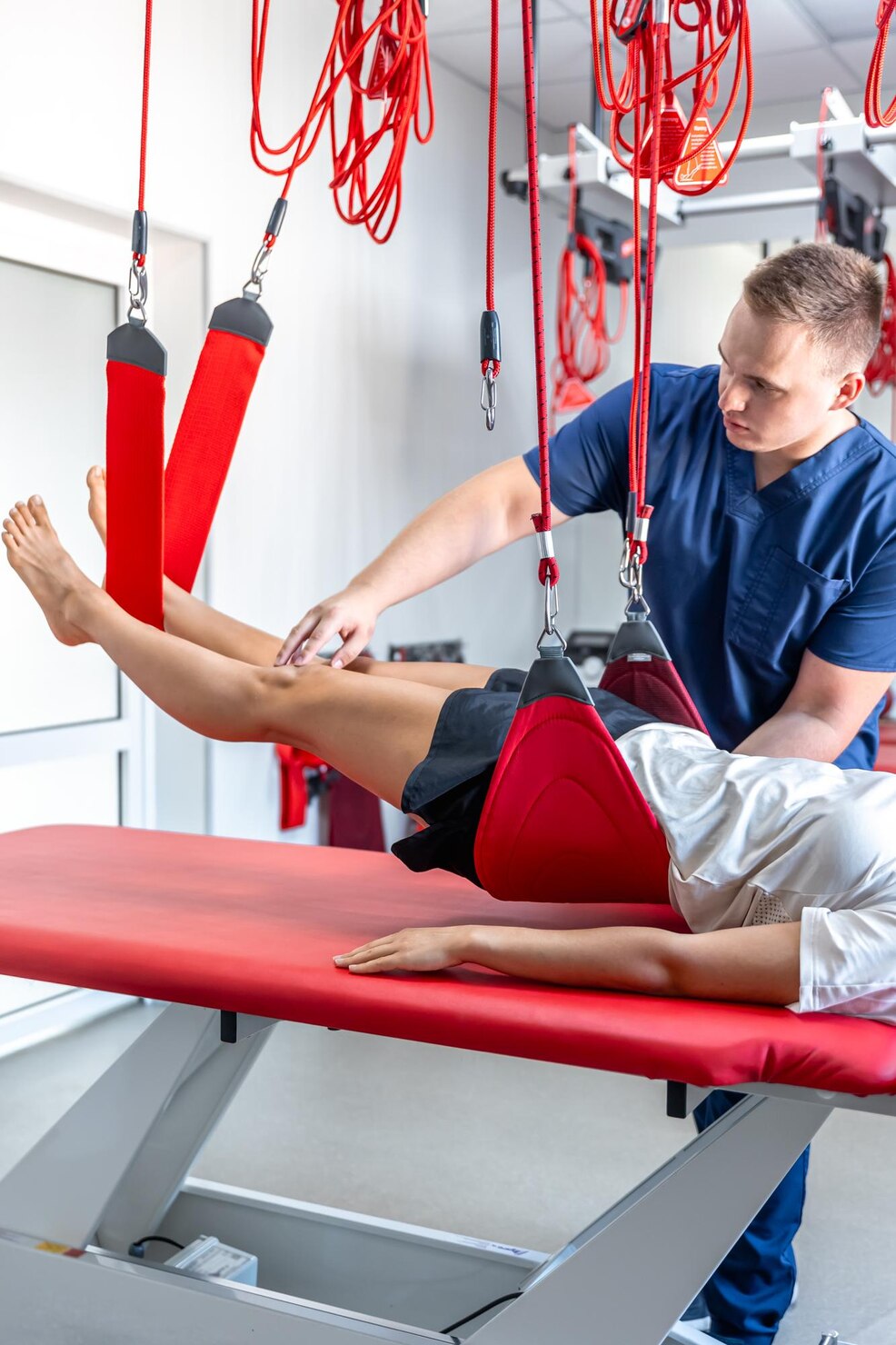
From ligament tears to stress fractures, here are the sports injuries patients most commonly come to us for.
Ligament injuries inside the knee from pivoting or impact. Causes instability and inability to bear weight.
Torn cartilage causing knee pain, swelling and locking. Common in athletes and active individuals.
Joint displaced from its socket during a fall or collision. Requires prompt realignment and rehabilitation.
Shoulder muscle and tendon injuries from overhead sports. Causes weakness and persistent shoulder pain.
Common injuries from running, jumping or landing. Range from mild sprains to complex fractures. See our sports-related fracture surgery page for details.
Small cracks in bone caused by repetitive impact over time. Common in runners and high-impact sport athletes.
Surface damage inside joints causing pain and reduced movement. Often requires arthroscopic treatment.
Sports injuries need prompt attention. Dr. Ankkur provides same-day assessment with clinical examination and imaging to confirm the diagnosis quickly.
Many sports injuries heal fully with physiotherapy, bracing and guided rehabilitation — without any surgery.
For injuries that require surgery, arthroscopy — keyhole surgery — allows precise treatment with minimal incision and faster return to sport.
Every patient gets a clear recovery timeline and rehabilitation plan tailored to their sport and lifestyle.
Common examples include ligament injuries, meniscus tears, sprains and strains, tendon problems and other joint injuries in active people. Dr. Ankkur Kumar can advise on the right treatment after an examination.
No. Many are managed with rest, physiotherapy and a gradual return to activity. Surgery is considered only when the injury needs it.
Get checked if swelling does not settle, the joint feels unstable or gives way, you cannot put weight on it, or the pain is not improving after a few days.
Playing through pain can make an injury worse. It is better to have it examined first and follow advice on when to return to sport.
At the PCMC Treatment Centre in Pimple Saudagar, Pune (097311 32793), or at the Balewadi centre (092297 22398). Call or WhatsApp to confirm a time. Clinic hours are Monday to Saturday 10:00 AM to 2:00 PM and 6:00 PM to 9:30 PM, and Sunday 10:00 AM to 2:00 PM at Pimple Saudagar.
The sooner you get the right treatment, the faster and more complete your recovery. Do not wait and hope it gets better.
Same-day appointments available. Walk-ins welcome at both clinics.
Visiting from Pimple Saudagar or PCMC? See our page on the Orthopedic Doctor in Pimple Saudagar.